Home – CDMO Solutions | Viral Vectors | Lentivirus | in vivo gene therapies
Accelerating in vivo CAR-T therapy with advanced lentiviral vector manufacturing
In vivo CAR-T therapies are transforming cell and gene therapy by enabling direct delivery of CAR constructs to patient T cells, eliminating the need for complex ex vivo cell manufacturing. However, successful development requires overcoming challenges in targeted cell transduction, vector performance, safety, scalable manufacturing, product characterisation, and regulatory compliance.
OXB helps developers address these challenges through industry-leading expertise in lentiviral vector (LV) design, development, titre enhancement technologies, GMP manufacturing, and knowledge of regulatory requirements.
Leveraging our proprietary LentiVector™ platform and three decades of LV experience, we develop high-quality vectors engineered for efficient and selective gene transfer, robust performance, and manufacturability at scale. As a pioneer in clinical in vivo LV delivery, OXB supports partners from early development stage through to clinical translation, helping accelerate the advancement of next-generation in vivo CAR-T therapies to patients.
Addressing key challenges in in vivo CAR-T development with OXB's enabling technologies and capabilities
Our team works closely with you to tailor lentiviral vectors for in vivo applications, ensuring optimal performance in preclinical and clinical settings. Leveraging OXB’s experience in LV and proprietary technologies, our experts can support the development of your in vivo CAR-T programme.

Higher titre and quality of vector
U1 enhancer: An RNA-based enhancer boosting titre and improving P:I ratio.
TRiP system™: When used as part of the TetraVecta™ system, it suppresses transgene expression during LV production to increase titre for cytotoxic payloads, simplify downstream processing, and support product quality and safety.

Manufacturing scale-up
We provide scalable GMP manufacturing platforms, established process development expertise, and end-to-end supply chain management to accelerate scale-up, reduce tech transfer risks, and ensure reliable commercial supply.

Enhanced CAR-T expression
The TetraVecta™ system is an advanced lentiviral vector backbone designed to improve vector quality, potency, and packaging capacity. It supports the development and manufacture of safer and more effective LV-based therapies.

Regulatory considerations
OXB regulatory experts have deep expertise with LV and know the common CMC regulatory hurdles, such as proof of manufacturing consistency as well as vector specificity and potency. Our experience can help define, de-risk and execute your regulatory strategy from pre-clinical through to commercial.
Leverage OXB technologies to boost your productivity


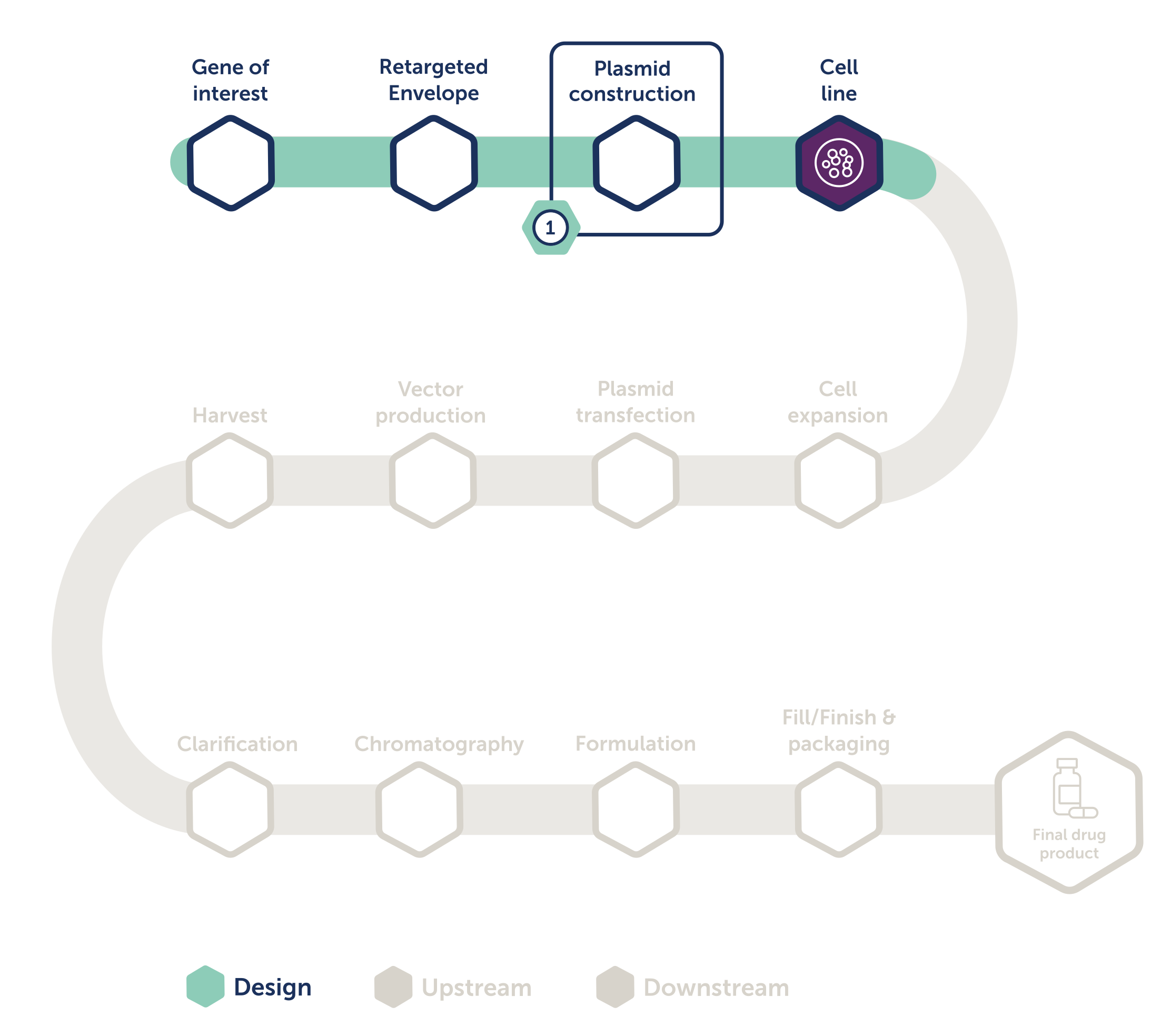
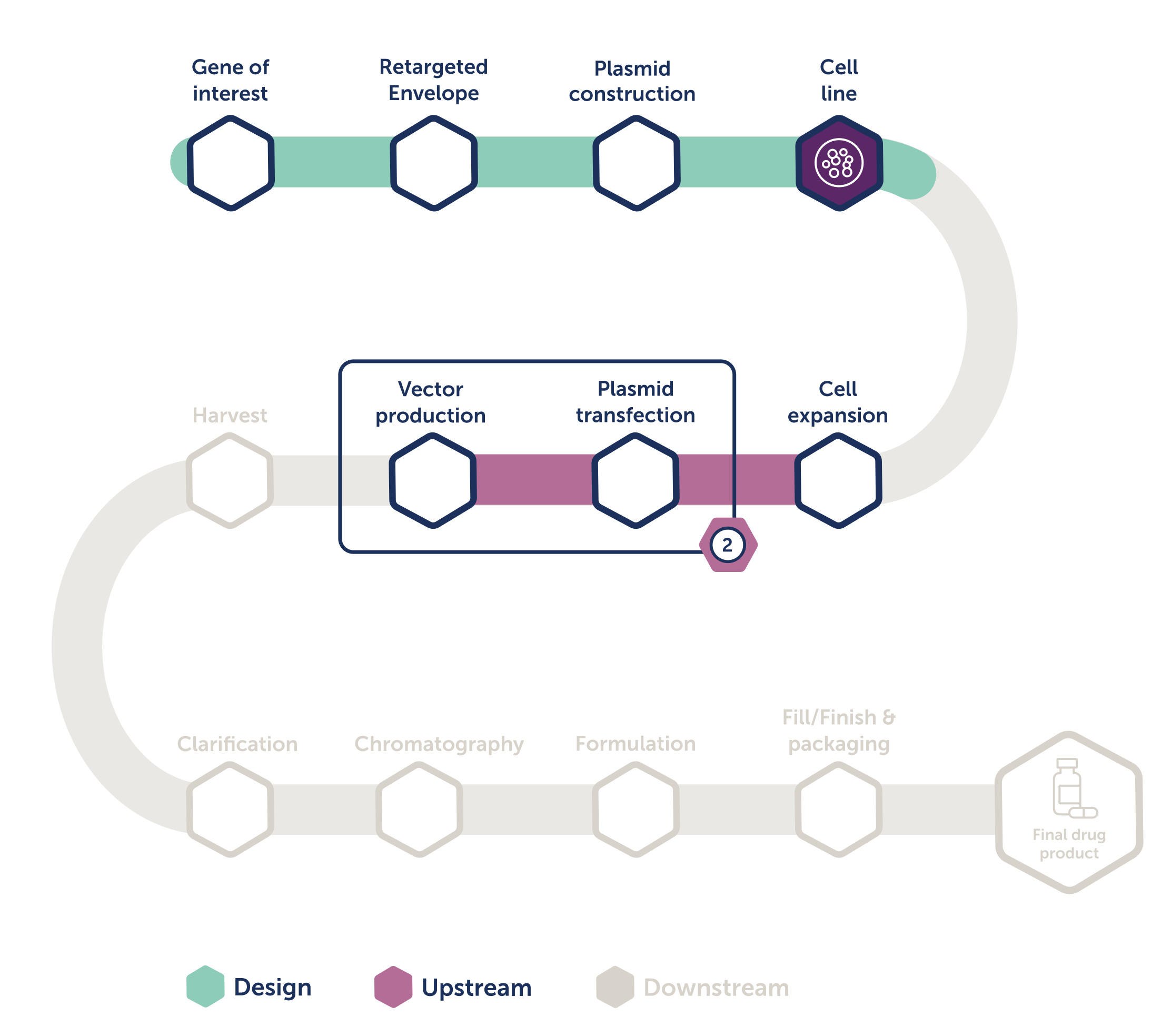
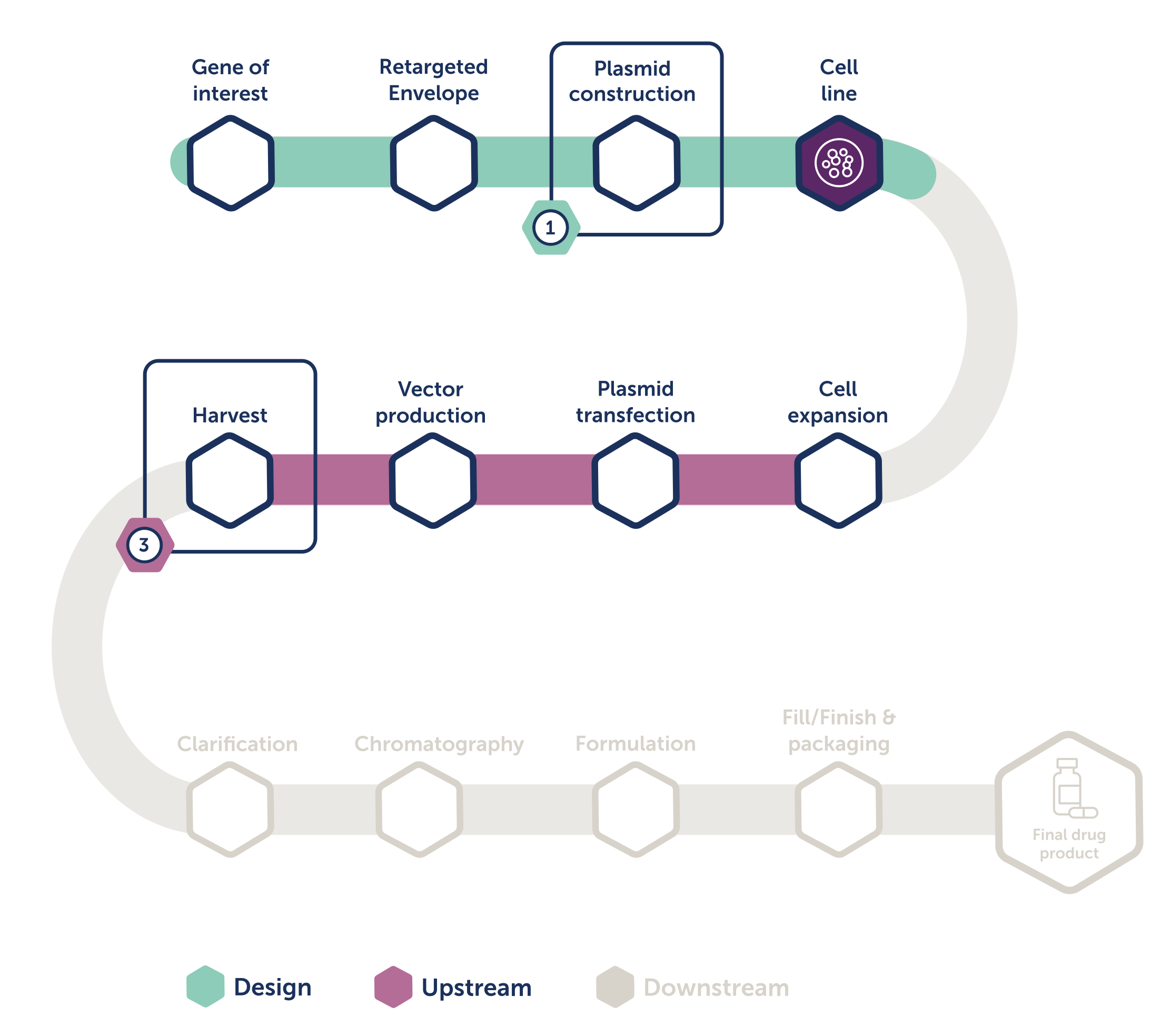
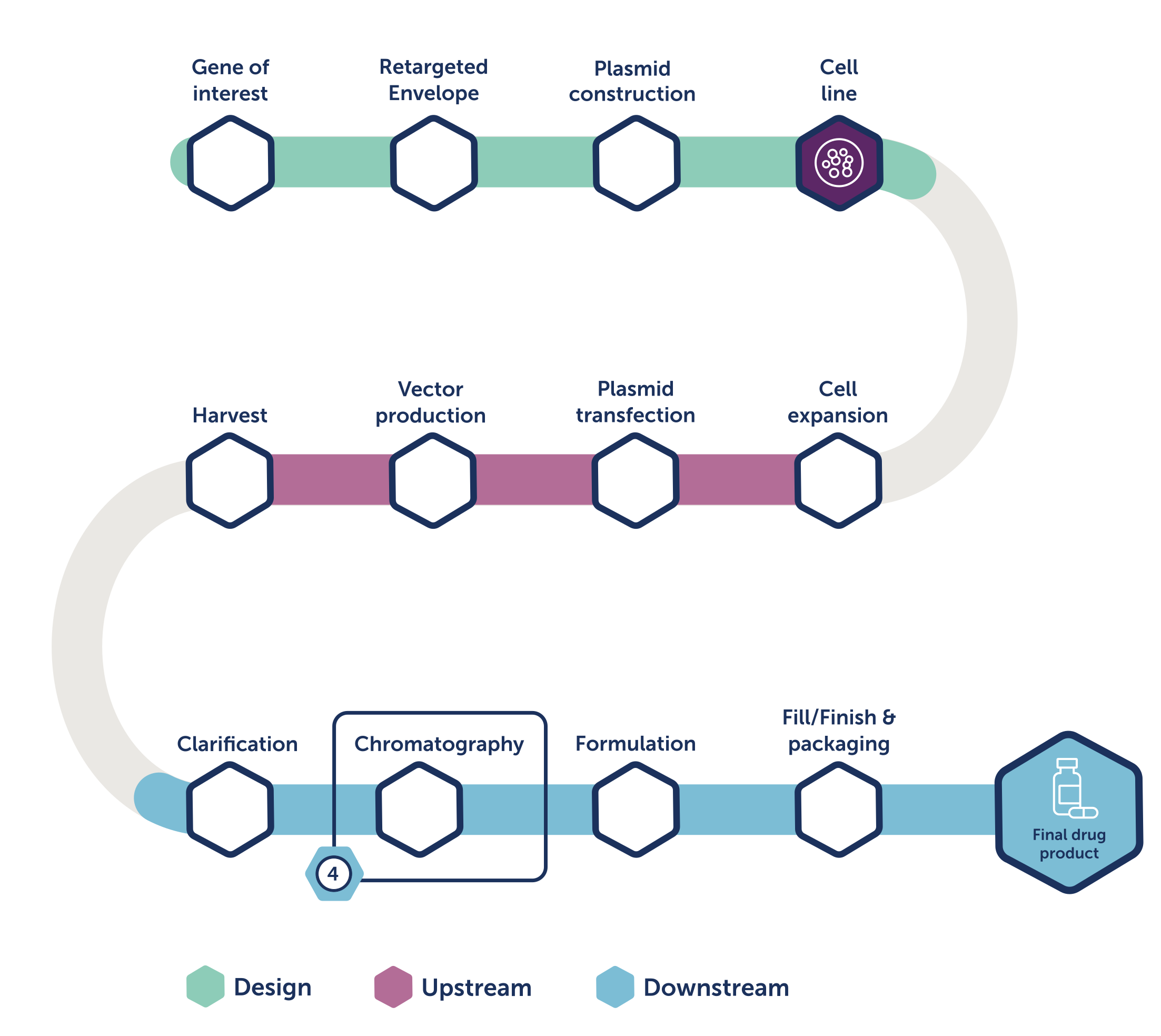
The expertise to move your in vivo CAR-T programme forward
De-risked development
Deep LV expertise with proven development and analytical capabilities to de-risk CMC, enable scalable manufacturing, and accelerate in vivo CAR-T development.
Optimised production
Upstream and downstream processes engineered to produce large amounts of active vector with VSV-G or non-VSV-G based engineered LV envelopes.

Increased safety and efficacy
Highly active LV particles with an excellent P:I ratio, low cost of goods, and high product quality.

Optimised in vivo delivery
Extensive scientific expertise in vector and envelope engineering with established analytical platforms to enable product development.
Related resources
In vivo CAR‑T – Reimagining Immune Engineering with Direct Cell Reprogramming
An overview of the opportunities and challenges of in vivo CAR-T therapy, including the technologies that could transform how next-generation cell therapies are delivered to patients. Published in The Medicine Maker.
View details >
Isolating T-Cell Potent Lentiviral Vector Subpopulations through Rational Design of Nanofiber Anion-Exchange Adsorbents
This paper investigates lentiviral vector heterogeneity during anion-exchange chromatography and identifies a nanofiber-based purification approach that enhances recovery and separation of high-potency vectors.
View details >


Frequently asked questions
Lentiviral vectors enable the direct delivery of CAR constructs to immune cells in vivo, supporting durable gene expression and simplifying therapy by removing the need for complex ex vivo processing. Recent development at OXB, including the successful development of retargeted envelopes, have further expanded the potential for systemic in vivo delivery, opening new opportunities for next-generation CAR-T therapies.
The main challenges lie in delivering lentiviral vectors efficiently and selectively to the desired immune cells while minimising off-target effects. Developers must also ensure scalable, cost-effective manufacturing of high-quality vectors with consistent potency, purity, and safety. In addition, robust product characterisation, control of replication-competent lentivirus, and meeting regulatory requirements are essential for successful clinical development.
Lentiviral vectors are supported by an established clinical safety profile. For in vivo use, careful vector design, dosing strategies, and comprehensive preclinical evaluation are essential to ensure an appropriate safety margin. OXB’s TetraVecta™ system harbours ‘SupA-LTRs’, meaning that the delivered CAR cassette is transcriptionally insulated, greatly reducing concerns with integration.
In vivo CAR-T programmes require high-quality lentiviral vectors manufactured in accordance with GMP and demonstrating rigorous control of potency, purity, and safety to meet both regulatory expectations and clinical performance needs. OXB's TetraVecta™ system incorporates the TRiP System™, providing enhanced control over the engineered surface of LV particles. By repressing expression of the CAR and other secreted genes of interest (GOIs) during vector production, the platform helps ensure consistent and robust display of desired targeting envelopes and/or "don't eat me" proteins on the particle surface. In addition, the absence of CAR expression on LV particles reduces the risk of off-target transduction of cancer cells and may help minimise potential immune responses directed against the CAR protein. This design supports improved vector performance, safety, and manufacturability.
In vivo CAR-T applications typically require high-titre lentiviral vectors to support effective systemic delivery, with exact requirements depending on the therapeutic approach, target cell population, and dosing strategy.
In vivo approaches often require higher systemic vector doses, making cost-efficient manufacturing a critical factor in enabling broad patient access and long-term commercial sustainability.
Higher upstream titres provide greater flexibility during downstream processing, allowing for more selective purification strategies that enhance product quality. Our technologies are designed to maximise upstream productivity, enabling the achievement of superior quality attributes while maintaining commercially relevant yields.
OXB regulatory experts have deep expertise with LVV and know the common CMC regulatory hurdles, such as proof of manufacturing consistency as well as vector specificity and potency. Our experience can help define, de-risk and execute your regulatory strategy from pre-clinical through to commercial.
OXB combines deep LV expertise with proven development and analytical capabilities to de-risk CMC, enable scalable manufacturing, and accelerate in vivo CAR-T development. With 30+ years’ experience of LV manufacturing, OXB was the first company to deliver LV directly to patients to treat Parkinson disease and then developed in vivo treatments for several eye disorders including Age-related Macular Degeneration (AMD).
Early engagement enables optimal vector design – including evaluation of TetraVecta™ system - and process development, ensuring scalability and manufacturability are built in from the outset, while ongoing support can extend through clinical and commercial stages.
Looking for something specific? – let's discuss a custom project
For pre-clinical clients that would like to co-develop a highly specific process, our custom project offering allows you to access OXB’s technology in combination with others to create a truly unique solution to meet your individual requirements.